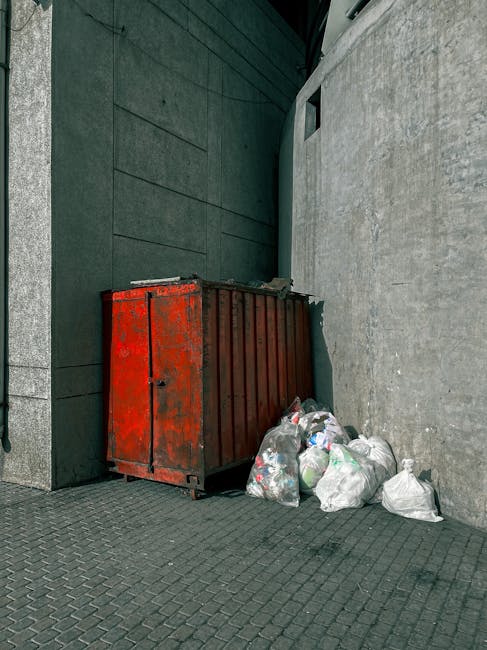
What to know about rubbish collection rules from Wandsworth council
If you live, work, or manage property in Wandsworth, rubbish collections can feel straightforward until they suddenly are not. One missed bin day, one wrong item in the wrong container, and you are left with bags on the pavement or a confused email from a neighbour. This guide on What to know about rubbish collection rules from Wandsworth council breaks everything down in plain English, so you can stay on the right side of the rules without turning bin day into a weekly headache.
You will find the practical basics here: how collections usually work, what councils expect from households and businesses, what often causes problems, and how to avoid the small mistakes that lead to bigger messes. We will also look at where a private clearance service can help when council rules do not quite fit the job, especially for bulky, mixed, or awkward waste.
Table of Contents
- Why these rubbish collection rules matter
- How rubbish collection in Wandsworth usually works
- Key benefits and practical advantages
- Who this is for and when it makes sense
- Step-by-step guidance
- Expert tips for better results
- Common mistakes to avoid
- Tools, resources and recommendations
- Law, compliance, standards and best practice
- Options, methods and comparison table
- Case study or real-world example
- Practical checklist
- Conclusion
- Frequently asked questions
Why What to know about rubbish collection rules from Wandsworth council Matters
Rubbish collection rules are not just a tidiness issue. They affect whether waste gets collected on time, whether streets stay clear, and whether your household or business avoids unnecessary hassle. In a busy part of London, where flats, terraces, shops, and small offices often sit close together, the knock-on effects of poor waste handling show up quickly. One overflowing sack can attract pests, cause odours, and annoy neighbours. Nobody wants that. Not really.
For residents, understanding the rules helps you put out the right waste at the right time, in the right container. For landlords, letting agents, and block managers, it reduces complaints and keeps communal areas usable. For businesses, it is even more important because commercial waste has its own responsibilities, and mixing that with household waste is where people get into trouble.
It also matters because waste rules are often where the small print lives. The obvious part is easy: use the bins, put them out on the right day. The less obvious part is where many people slip up: black bags left beside the bin, recycling contaminated by food waste, fly-tipped items dumped next to communal containers, or old furniture abandoned because it does not fit the usual collection. That last one is where services such as general waste removal support or a more specific option like furniture disposal can be genuinely useful.
Quick takeaway: the rules are there to keep collections safe, efficient, and fair. If your waste is sorted, bagged, and placed correctly, life is easier for you and everyone else on the street.
How What to know about rubbish collection rules from Wandsworth council Works
At a practical level, most rubbish collection systems follow the same logic: different waste streams go into different containers, and those containers are collected on a schedule. In a London borough like Wandsworth, that usually means you need to know what is accepted in your general waste, what belongs in recycling, and what needs special handling. Simple enough in theory. In reality, it is the sort of thing that becomes clear only after you have stood in the kitchen with two bins open and a takeaway container in your hand, wondering where on earth it goes.
Collection rules are usually built around three ideas:
- Separation: keep recyclable materials apart from residual waste and food waste where required.
- Presentation: place waste out in the proper container, at the correct time, and in a way crews can collect safely.
- Prohibition: do not put restricted items in regular bins if they require special disposal.
That last point is the one people miss most often. Bulky waste, electrical items, building rubble, garden waste, and hazardous materials generally do not belong in standard collections. If you have a lot of these items, it is usually better to look at a dedicated clearance route rather than trying to squeeze them into a normal bin day. For example, a home declutter may be better handled through home clearance or, for bigger household projects, house clearance. If it is a flat with limited access, flat clearance can be the less stressful option.
Another useful way to think about it is this: the council system is designed for routine, everyday disposal. It is not always designed for the aftermath of a move, a renovation, or a serious clear-out. That is normal. It does not mean you have done anything wrong. It just means you need the right route for the right waste.
Key Benefits and Practical Advantages
Following rubbish collection rules properly brings benefits that go beyond staying polite to the bin crew. The biggest one is consistency. When bins are presented correctly, collections tend to happen smoothly and with fewer surprises. That sounds small, but if you live in a building with shared containers, consistency matters a lot.
Here are the main advantages:
- Cleaner communal areas: fewer spillages, fewer stray bags, less mess around bin stores.
- Lower risk of rejected waste: crews are less likely to leave bins uncollected for contamination or overfilling issues.
- Better recycling outcomes: cleaner recycling streams are easier to process and less likely to be rejected.
- Less nuisance: fewer smells, fewer pests, and less conflict with neighbours.
- More efficient waste decisions: you know when a regular collection is enough and when a private removal is smarter.
There is also a money angle, though not always in the obvious way. If you regularly place the wrong items out for collection, you may end up paying through fines, repeat collection attempts, or the cost of dealing with a bigger mess later. It is a bit like ignoring a tiny leak under the sink. It never stays tiny, does it?
For businesses, the benefit goes further. Organised waste handling supports cleaner premises, better customer presentation, and a more professional feel. If your office, shop, or studio generates regular mixed waste, it may make sense to combine council compliance with a structured service such as business waste removal or office clearance for larger one-off resets.
Who This Is For and When It Makes Sense
This topic is relevant to much more than just homeowners. In practice, it matters to anyone producing waste in Wandsworth and wanting to avoid problems.
- Homeowners and tenants: especially if you live in a terrace, flat, or shared property.
- Landlords and letting agents: because end-of-tenancy rubbish is a common flashpoint.
- Property managers: particularly in blocks with communal bins and frequent misuse.
- Small businesses: cafes, offices, salons, and shops often need clearer systems than a household would.
- Trades and renovators: building debris and mixed site waste often need a separate plan.
It makes sense to pay close attention to the rules when you are moving house, clearing a garage, renovating a kitchen, or dealing with a tenant leave-behind. Those moments are where normal weekly collection habits break down. You may think, "I will just leave it next to the bin for now." That is usually where trouble starts. A better option may be a service like garage clearance, loft clearance, or, for renovation debris, builders waste clearance.
Truth be told, the people who benefit most are the ones who are not trying to become waste experts. They just want the bins dealt with properly, and they want life to move on. Fair enough.
Step-by-Step Guidance
Here is a practical way to deal with rubbish collection rules without overthinking it.
- Work out what type of waste you have. Separate general rubbish, recycling, food waste, bulky items, electricals, and anything hazardous. Do not mix them and hope for the best.
- Check your container setup. If you live in a house, you may have different bins from a block of flats. If you manage a property, make sure residents know which container is for what.
- Bag and contain waste properly. Loose waste is more likely to spill, blow away, or get refused. If an item leaks, double-bag it or isolate it safely.
- Put bins out at the correct time. Late presentation is a classic problem. Early does not help if it causes obstruction, and late usually means you miss the round.
- Keep restricted items out of the normal collection. Anything bulky, sharp, heavy, or hazardous should be assessed separately.
- Use a specialist route for unusual jobs. A one-off clearance service may be simpler than trying to fit awkward waste into a weekly system.
- Return bins promptly after collection. It keeps pavements clear and helps avoid complaints. Little thing, big difference.
A realistic example: imagine you have just cleared a spare room and now have an old mattress, a broken desk chair, a couple of bags of mixed junk, and a stack of cardboard. You could spend days trying to break everything down into council-friendly pieces. Or you could separate the recyclable cardboard, keep the rest organised, and use a specific service such as mattress and sofa disposal for the awkward item plus a broader waste removal option for the rest. That is often the cleaner, calmer route.
Expert Tips for Better Results
After dealing with enough clear-outs, one pattern appears again and again: the people with the fewest issues are the ones who make decisions early. They do not wait until bin day to ask where the old radiator should go. They sort the problem before it gets bigger.
Here are a few field-tested habits that help:
- Keep a small "question bin" area: one box or corner for items you are unsure about. That stops them ending up in the wrong container by accident.
- Flatten cardboard properly: not just squashing it with one hand while juggling a kettle. Fully flatten it so it takes less space and is easier to recycle.
- Separate food residue from packaging: greasy pizza boxes and half-empty containers often contaminate recycling.
- Do not overfill bins: lids that will not close are a common reason for rejection.
- Check special-item handling before you buy replacements: if you are replacing an appliance or large item, plan the disposal route at the same time.
A slightly boring tip, but a good one: keep a photo of your bin layout or container labels on your phone. When you are standing at the curb in the drizzle at 7:10 in the morning, that photo suddenly feels very useful. Honestly, it saves arguments too.
If you are dealing with old appliances, the rules can be especially easy to get wrong. Fridges, freezers, and other electricals often need separate handling. In those cases, a specialist service such as fridge and appliance removal is usually the safer, cleaner choice.
Common Mistakes to Avoid
Most rubbish problems are not dramatic. They are small, ordinary mistakes repeated often.
- Leaving waste beside the bin: if it is not accepted in the container, it probably will not magically disappear just because it is next to it.
- Mixing the wrong materials: one contaminated bin can spoil a whole load.
- Putting out waste too early: this can create obstruction, messy streets, and neighbour complaints.
- Assuming all bulky items are the same: furniture, white goods, mattresses, and building waste often need different handling.
- Ignoring hazardous items: paints, solvents, batteries, and similar items should never be handled casually.
- Forgetting business waste duties: commercial waste is not the same as household rubbish, and that distinction matters.
One common scenario is the post-move clear-out. People are tired, the new place is chaotic, and the easiest thing feels like leaving a pile "for tomorrow." Then tomorrow becomes a week, and by then the bags are damp and awkward. That is when a structured service, such as house clearance or flat clearance, can keep the whole thing from spiralling.
Tools, Resources and Recommendations
You do not need much to stay organised, but a few simple tools help more than people expect.
- Colour labels or masking tape: useful for marking what goes where in communal or shared setups.
- A basic household scale: not essential, but helpful if you are deciding whether a job is a small clear-up or a full clearance.
- Thick gloves and a torch: for sorting lofts, garages, and odd corners safely.
- Strong sacks or boxes: especially if you are moving mixed household junk before disposal.
- Photo notes on your phone: good for remembering the layout of bins, appliances, or bulky items.
For sustainability-minded households, it also helps to think beyond "throw it away" and ask "can this be reused, repaired, or separated for recycling?" That simple habit can make a big difference, especially with furniture and mixed household goods. If you are clearing something still usable, look at a route like furniture clearance or, for a disposal-focused option, furniture disposal.
For readers who want to compare how different waste types should be treated, the page on what can go in a skip is a useful companion reference. It is not the same as council collection, of course, but it helps people think more clearly about sorting and suitability.
Law, Compliance, Standards, or Best Practice
This area sits under general UK waste management expectations, so a careful approach is wise. The key principle is simple: waste should be stored, sorted, and disposed of responsibly. Household waste and business waste are not interchangeable, and hazardous waste should be treated with extra caution. If you are a business, you should keep your waste arrangements tidy and defensible. If you are a resident, you should avoid using communal systems in a way that creates nuisance or contamination.
Best practice is usually a mixture of common sense and consistency:
- do not place prohibited items in normal collections;
- keep recycling free from food contamination where possible;
- store waste securely so it does not blow about or attract pests;
- use appropriate services for bulky, electrical, or hazardous items;
- choose insured and safety-conscious providers for larger removal jobs.
If you are hiring someone for a larger clearance, it is sensible to look for clear safety practices and transparent terms. Pages such as health and safety policy, insurance and safety, terms and conditions, and recycling and sustainability are useful indicators of how a provider thinks about responsible waste handling. That does not guarantee perfection, obviously, but it does show the basics are being taken seriously.
Options, Methods, or Comparison Table
When you are deciding how to deal with rubbish in Wandsworth, the right method depends on volume, type, and timing. A quick comparison can help.
| Method | Best for | Pros | Watch-outs |
|---|---|---|---|
| Regular council collection | Routine household waste and accepted recycling | Convenient, familiar, built into your weekly routine | Not suitable for bulky, hazardous, or unusual waste |
| Specialist clearance | Large, mixed, awkward, or time-sensitive jobs | Fast, tailored, reduces stress and manual handling | Needs proper selection and clear item description |
| Skip-related approach | Projects with a lot of consistent waste | Good for staged clear-outs and building work | Requires space and careful filling rules |
| Business waste service | Shops, offices, studios, and regular commercial waste | Better for ongoing, organised disposal | Must be set up correctly to avoid mixing waste types |
For many readers, the answer is not one method but a combination. A weekly council collection handles the basics, while a one-off clearance service handles the awkward bits. That combination often works better than forcing everything into one channel. If you are unsure, a practical starting point is to review pricing and quotes before you decide what makes sense financially.
Case Study or Real-World Example
A typical Wandsworth scenario might look like this: a small family in a top-floor flat is preparing to move. They have a week's normal waste, a broken chest of drawers, some packaging from new furniture, an old microwave, and a bag of garden clippings from the tiny courtyard out back. The council collection is fine for the everyday bags and recycling, but not for the lot as a whole.
They start by separating what can go in the usual bins. Cardboard gets flattened. Food waste goes out correctly. The broken furniture and appliance are set aside instead of being squeezed into the communal area. The family then uses a targeted clearance approach for the bulky pieces and keeps the move day calm rather than chaotic. The neighbours are happier, the hallway stays clear, and there is less back-and-forth with bin stores in the rain. Small win, but a real one.
In another case, an office in South West London clears out old paperwork, broken chairs, and redundant monitors during a refurbishment. The team realises halfway through that this is not a simple bin job at all. They combine confidential shredding for records with office clearance for the larger items. Clean result, fewer mistakes, and no awkward pile-up in the corridor on Monday morning. Not glamorous, but effective.
Practical Checklist
Use this before putting rubbish out or booking a clearance:
- Have I separated general waste, recycling, and any special items?
- Do I know whether the item is accepted in normal council collections?
- Is the waste bagged, boxed, or contained safely?
- Are bins being put out on the correct day and at the correct time?
- Have I avoided overfilling or blocking the lid?
- Do I need a specialist route for bulky, electrical, garden, or hazardous items?
- Could a one-off service save time and prevent a mess?
- Have I checked access, lifting needs, and any safety concerns?
- Am I keeping communal areas clear and tidy?
- Have I planned what happens after collection, not just before it?
If you are dealing with a bigger household tidy-up, services such as garden clearance, garage clearance, and loft clearance can be a practical way to handle the piles you really do not want to keep shifting from one corner to another.
Conclusion
The main thing to know about rubbish collection rules from Wandsworth council is that they work best when you treat them as part of an organised routine, not a guessing game. Once you know what belongs where, when to put it out, and when to choose a different route for awkward waste, the whole process becomes much less stressful.
For everyday households, the goal is simple: keep collections tidy, safe, and predictable. For businesses and larger clear-outs, the goal is similar but with a bit more planning. Either way, the same principle applies. Sort early, keep the wrong items out of the wrong bins, and do not leave awkward waste to fend for itself beside the pavement. It never looks better the next day.
If you are facing a bulky clear-out, a move, or a pile of mixed waste that does not fit the weekly collection system, a structured removal service can save time, reduce stress, and keep your property looking orderly. And that, let's face it, is worth a lot on a wet London morning.
Get a free quote today and see how much you can save.
Frequently Asked Questions
What are the main rubbish collection rules I should know in Wandsworth?
The main rules are to separate waste correctly, use the right container, and put bins out at the correct time. Items that are bulky, hazardous, or special waste usually need a separate disposal route.
Can I leave extra bags next to the bin if it is full?
Usually no. Waste left beside the bin is commonly treated as misplaced or unauthorised, and it can be missed, spilled, or rejected. If you have extra waste regularly, you may need a different solution.
What should I do with furniture that will not fit in the normal collection?
Bulky furniture is generally better handled through a dedicated clearance option. For example, furniture clearance or furniture disposal may be more suitable than waiting for bin day.
How do I deal with old appliances or white goods?
Fridges, freezers, washers, and similar items usually need special handling. A service such as fridge and appliance removal is often the safest option.
Are business waste rules different from household rubbish rules?
Yes, they are. Business waste should be managed separately from household waste and needs an arrangement suited to the premises, volume, and type of waste produced.
What happens if my recycling is contaminated?
If recycling contains the wrong materials, it may be rejected or treated as general waste. The practical fix is to keep recycling cleaner from the start and avoid mixing food-soiled items into dry recycling.
Can I put garden waste in the normal bins?
Sometimes small amounts are manageable, but larger amounts of cuttings, branches, or soil often need a different approach. A service like garden clearance can be more practical for bigger jobs.
Is a skip a better option than council collection?
It depends on the job. A skip can suit planned clear-outs or renovation work, while council collection is usually better for routine household waste. The page on what can go in a skip is helpful when comparing your options.
How can I avoid problems with communal bins in a flat block?
Label bins clearly if you manage the building, keep waste bagged properly, and make sure residents know what goes where. Clear communication solves a surprising amount.
What if I am clearing out a loft, garage, or spare room?
That is usually where normal collection rules stop being enough. A structured service like loft clearance or garage clearance can make the job much easier.
Do I need to worry about hazardous waste?
Yes. Hazardous items should be treated carefully and kept out of standard rubbish streams. If in doubt, use a specialist route such as hazardous waste disposal.
Where can I find more practical help from the company?
You can learn more about the team on the about us page, review the recycling and sustainability approach, or check pricing and quotes if you are planning a bigger job.